

Dubai unveils first smart bus station at Mall of the Emirates with AI services
New transport hub connects metro, buses and taxis seamlessly
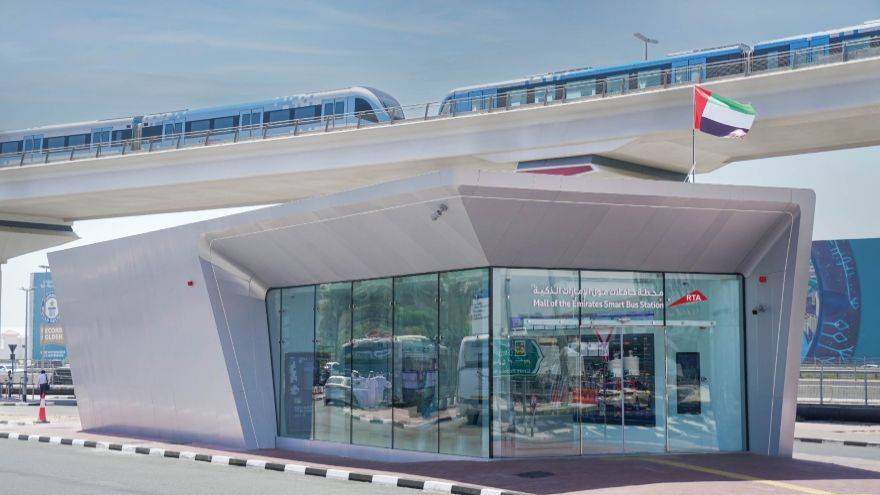
DUBAI – The Roads and Transport Authority has opened the Mall of the Emirates Smart Bus Station, marking the launch of Dubai’s first smart bus station and a major step in the emirate’s push towards smarter and more sustainable public transport.
The new station introduces 24/7 interactive digital services, AI-powered operational systems and real-time travel information in a modern transport environment designed to improve passenger convenience and mobility.
Located directly beside Mall of the Emirates Metro Station, the facility serves 11 bus routes and acts as a key interchange point linking metro, buses and taxi services. RTA said the project forms part of its broader strategy to create an integrated public transport network powered by advanced digital technologies and smart mobility solutions.
The authority described the station as a model for the future of public transport infrastructure in Dubai, bringing together innovation, sustainability and seamless connectivity. RTA plans to expand the smart station concept across the emirate in the coming years as part of efforts to strengthen public transport integration and improve the customer experience.
Smart design
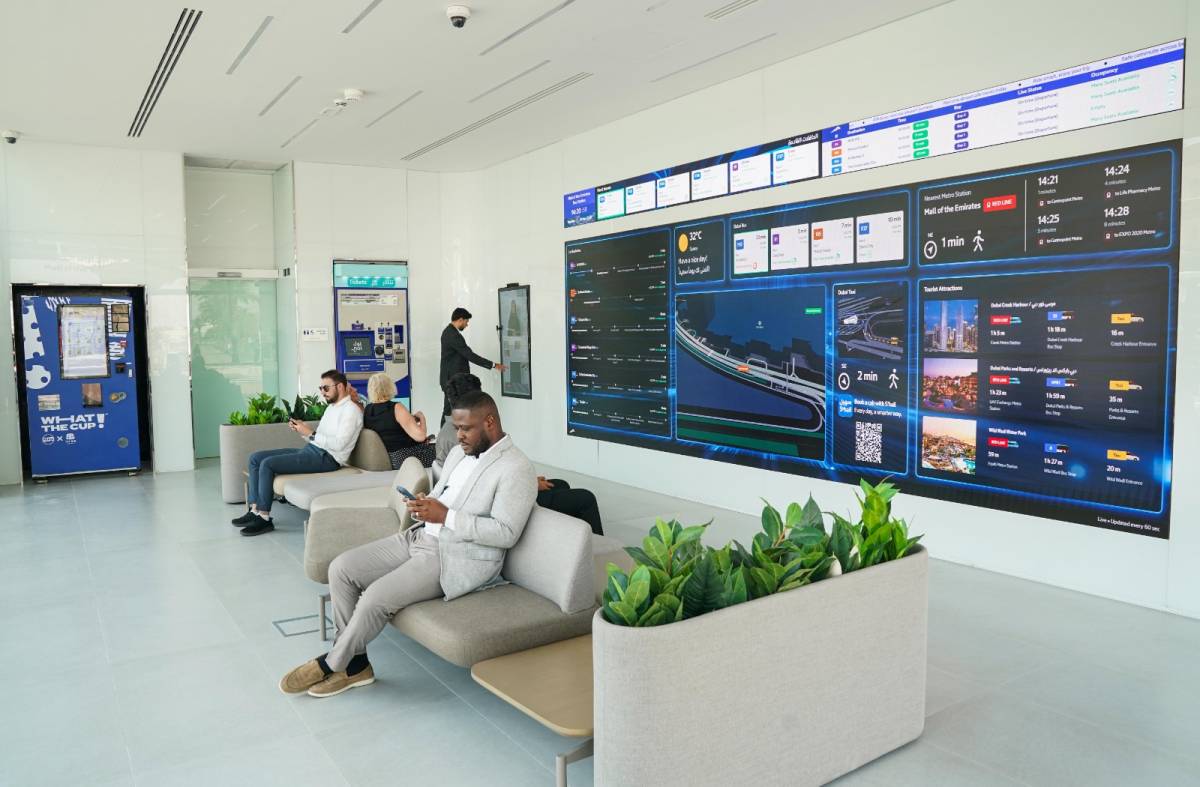
The station has been developed with a modern and sustainable architectural design aligned with RTA’s corporate identity and future mobility vision. Covering an area of 147 square metres, the station can accommodate up to 20 customers at one time and also includes a dedicated rest area for bus drivers.
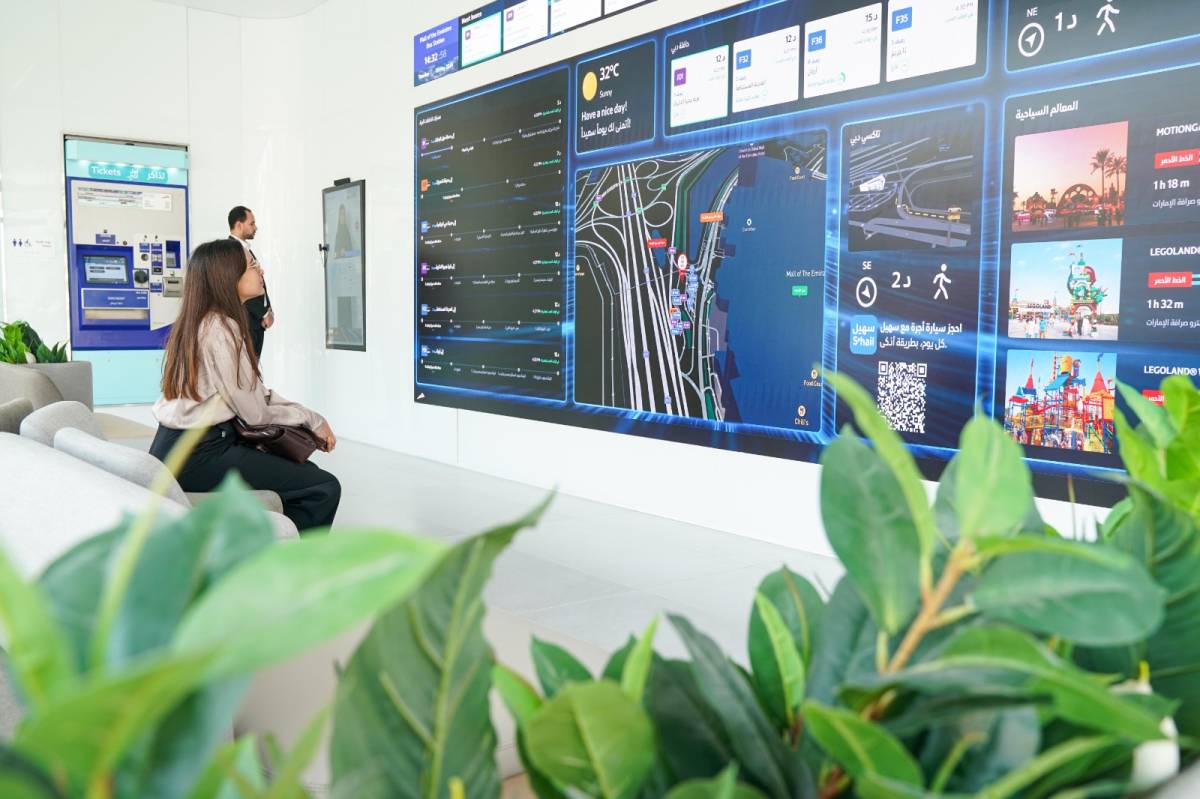
All customer services at the station have been transformed into digital and proactive services operating around the clock. The aim is to reduce waiting times and provide smoother journeys for passengers using public transport across Dubai.
Mattar Al Tayer, Director General and Chairman of the Board of Executive Directors of the Roads and Transport Authority, said the opening of the smart station represented a significant milestone in RTA’s strategy to create a modern and attractive public transport environment.
He said the project aligned with Dubai’s wider vision of becoming the best city in the world to live, work and visit by providing advanced, safe and seamless mobility services supported by innovation and digital transformation.
Al Tayer added that the station formed part of a series of development projects designed to redefine daily mobility experiences by integrating advanced technologies into transport infrastructure. According to him, these initiatives are intended to improve quality of life while encouraging residents and visitors to use public transport for everyday journeys.
“At RTA, we are committed to enhancing customer service by deploying the latest digital technologies and smart solutions to deliver the highest levels of comfort and efficiency for users,” Al Tayer said.
He noted that adopting an integrated digital operating model would improve operational efficiency while increasing customer satisfaction. He also highlighted the use of advanced crowd management systems and AI-powered violation detection technologies to enhance safety and improve the overall user experience.
Digital services
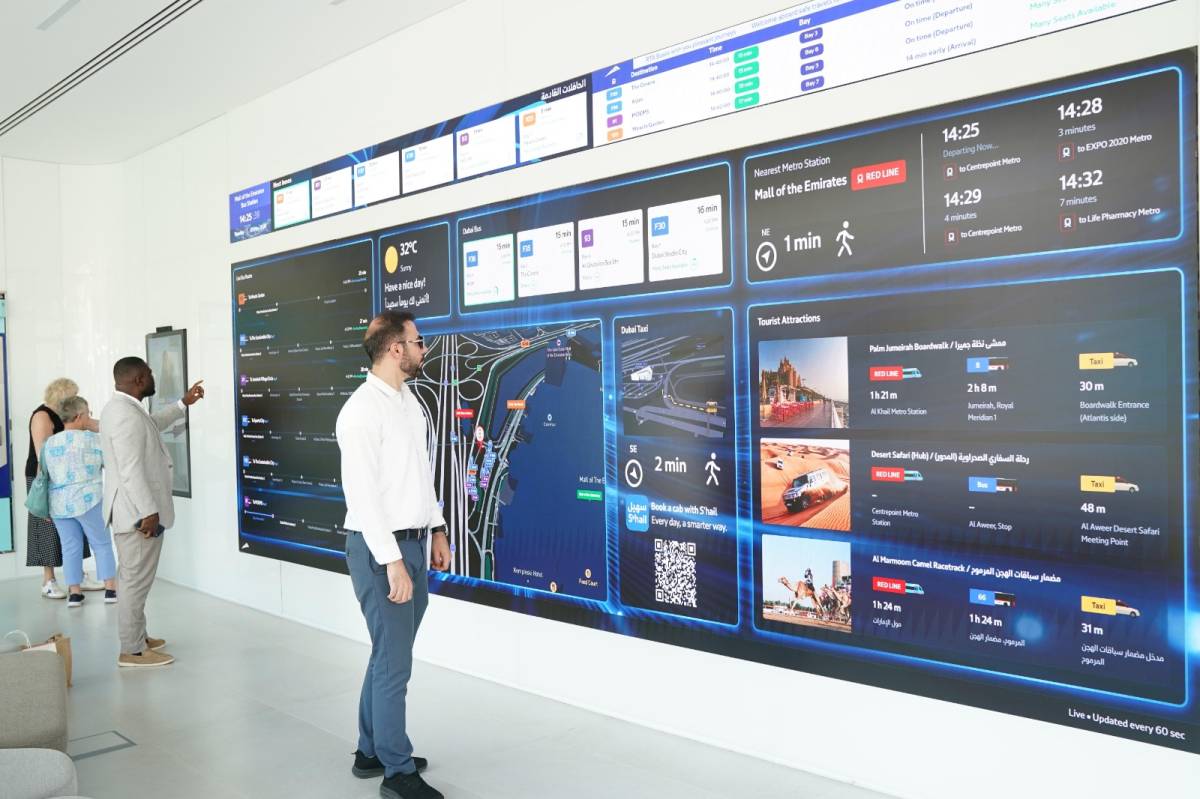
The station features a range of advanced digital systems aimed at simplifying journey planning and improving travel efficiency. A central real-time information display provides passengers with maps of station facilities and live arrival information for different transport modes.
The system is integrated directly with Dubai Metro, allowing passengers to view train arrival timings instantly. It is also connected with taxi services to display the locations and availability of nearby taxis.
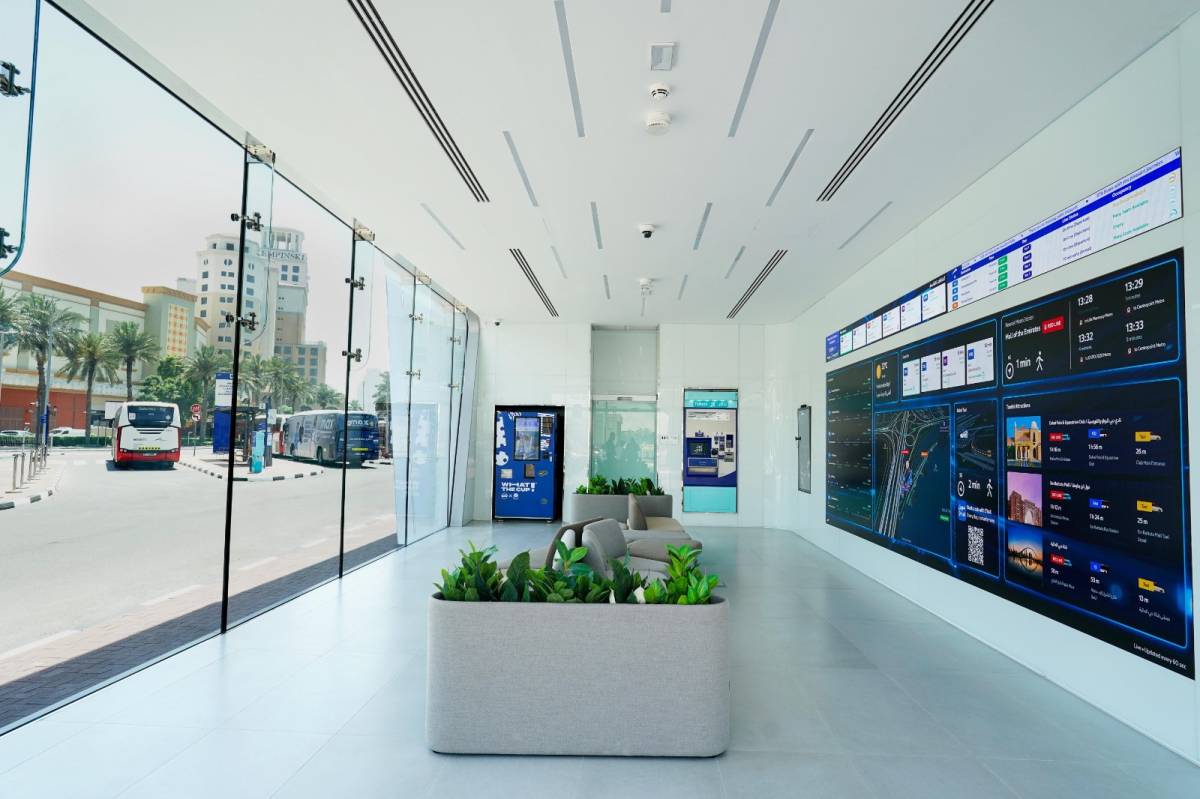
Passengers can additionally access information on local landmarks and suggested routes to reach them, while digital screens broadcast awareness messages and transport-related guidance. RTA said the system would help customers make faster and more informed mobility decisions.
The station also includes a smart kiosk offering digital customer services through a virtual assistant capable of responding to passenger enquiries and assisting with journey planning. Customers can also access Lost and Found services and communicate directly with the RTA Call Centre through the kiosk.
Officials said these features would significantly improve response times and provide immediate support for passengers, contributing to higher levels of customer happiness and service efficiency.
A dedicated display has also been installed to show live bus arrival timings alongside occupancy levels for upcoming buses. This allows passengers to assess crowd levels before boarding and helps distribute demand more effectively across services, reducing congestion at peak times.
AI systems
Artificial intelligence plays a central role in the station’s operations and safety systems. The facility has been equipped with advanced AI-powered cameras capable of monitoring crowd movement and detecting operational violations in real time.
RTA said the technology would help improve operational discipline, ensure optimal use of facilities and support management teams with live analytical data that can strengthen operational decision-making.
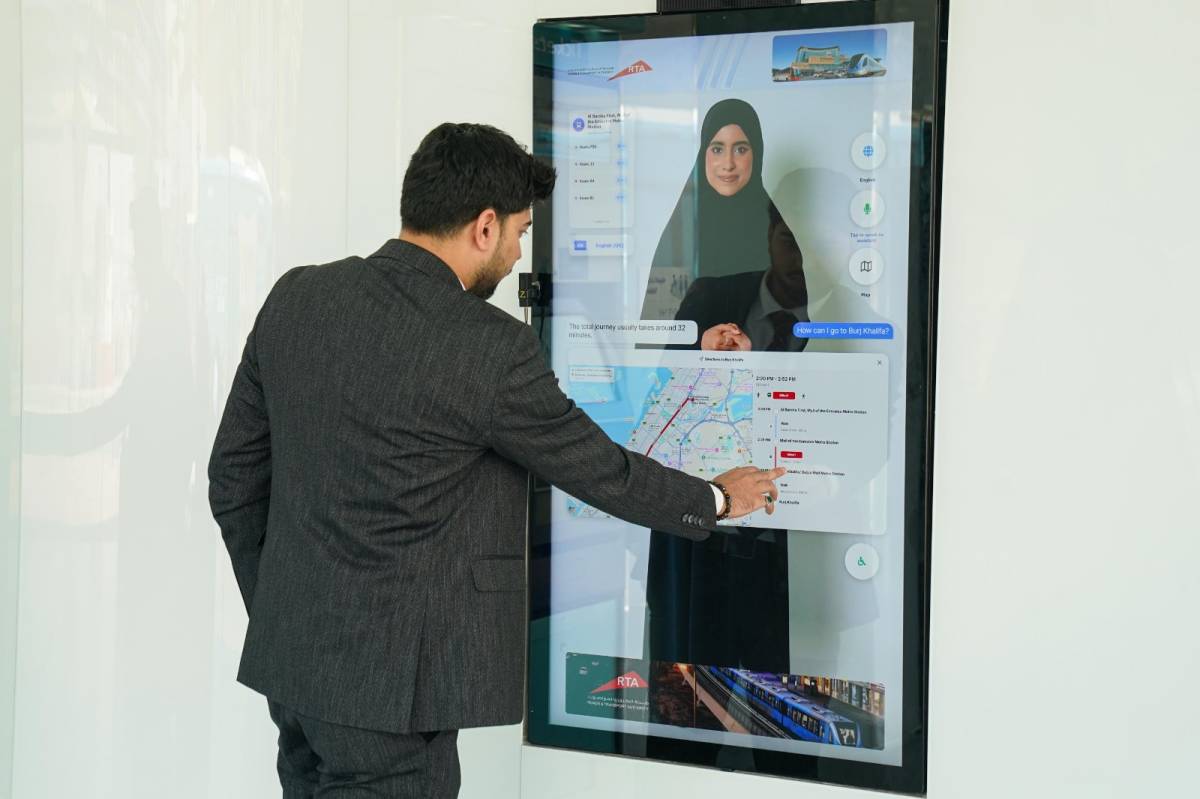
The station also includes modern ticketing and payment devices enabling digital ticket purchases and nol card top-ups. In addition, passengers can use a smart vending machine to purchase beverages while benefiting from loyalty points programmes introduced to improve the customer experience.
Sustainability features form another key component of the station’s design. Solar panels have been installed to generate power, while smart environmental sensors continuously monitor air quality inside the facility.
According to RTA, the environmentally focused features reflect Dubai’s commitment to adopting global sustainability standards, reducing carbon emissions and improving energy efficiency across public infrastructure projects.
Key hub
Mall of the Emirates Smart Bus Station serves as one of Dubai’s major public transport interchange points, connecting a wide range of residential, commercial and tourist destinations across the city.
The station serves 11 bus routes in total, including six Dubai Metro feeder routes, three internal routes and two seasonal routes. Areas linked through the station include Al Barsha, Umm Suqeim, Al Sufouh, Al Manara, Al Quoz, Al Ghubaiba, The Greens, Jumeirah Village Circle, Arabian Ranches, Dubai Science Park and Dubai Studio City.
The interchange also provides connections to major tourist attractions such as Dubai Miracle Garden and Global Village, further strengthening its role in Dubai’s wider public transport network.
Direct integration with Mall of the Emirates Metro Station allows passengers to transfer seamlessly between buses and the metro system, supporting more efficient multimodal mobility throughout the emirate.
RTA said the smart station strengthens the role of public transport as a preferred mobility option for residents and visitors while supporting Dubai’s long-term ambitions for smarter, more sustainable urban transportation.